The Imperative of Mental Health Housing: A Holistic Approach to Empowerment and Recovery
Overview
Mental health is a crucial aspect of overall well-being, and its significance has gained prominence in recent years. As societies become more aware of the impact of mental health on individuals and communities, the need for adequate mental health housing has become increasingly evident. Housing plays a pivotal role in the recovery and empowerment of individuals facing psychological insufficiencies. In this essay, we will explore the significance of mental health housing, and its impact on individuals, and the broader society.
Describing Mental Health Housing
Mental health housing refers to lodging that caters specifically to individuals facing psychological fitness issues. It offers a safe and supportive environment that fosters recovery, independence, and community integration. Psychosomatic welfare housing can vary in its structure, ranging from group homes and supportive sheltering units to assisted living facilities and transitional accommodations.


Individuals with Mental Health Issues and Their Hardships
Many people with psychiatric fitness challenges face homelessness or unstable living conditions, which exacerbate their states and hinder their access to necessary treatments and support. They often experience social isolation, discrimination, and stigmatization, leading to a vicious cycle of deteriorating cerebral condition.
The Job of Housing in Empowerment and Recovery
Stability and Security: Psychological well-being accommodations provide stability and security, essential for individuals to focus on their recovery without worrying about basic survival needs. A stable living environment reduces stress and anxiety, allowing residents to engage more effectively in treatment and support programs.
Supportive Environment: This sheltering offers a supportive environment that caters to the unique needs of individuals with intellectual challenges. Trained professionals and peer support workers play a crucial role in fostering a sense of belonging, reducing isolation, and encouraging self-sufficiency.
Access to Services: Residents of mental health housing have improved access to mental health services, counseling, and psychiatric care. Integrating mental health care within housing settings ensures that residents receive ongoing treatment, which is vital for their recovery.
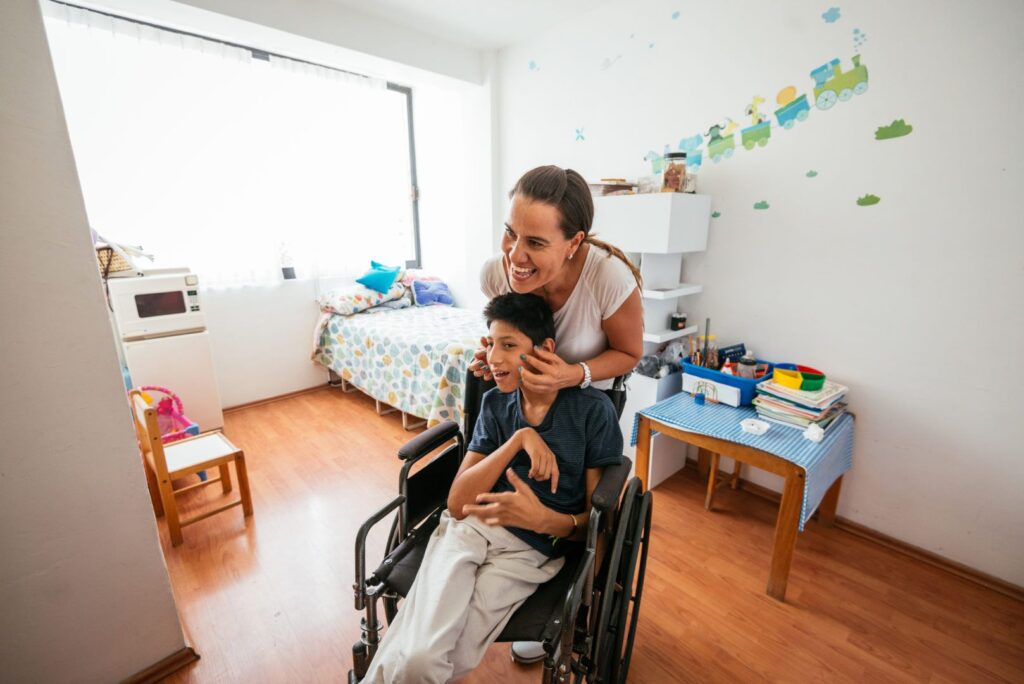

Community Integration: Mental health housing promotes community integration by offering opportunities for social interactions, skill-building workshops, and vocational training. This integration helps combat the stigma associated with the reasoning state and encourages individuals to lead fulfilling lives.
Preventing Homelessness: Intellectual fitness sheltering acts as a preventive measure against homelessness, which is prevalent among individuals with these issues. By providing steady shelter, it prevents individuals from falling into the cycle of homelessness and its detrimental effects on the rational state.