
OVERVIEW
Developmental disabilities are a diverse group of conditions that affect individuals’ physical, cognitive, and behavioral growth. These can manifest early in life and have long-term implications for a person’s overall functioning. Understanding the concept of developmental disorders is critical to comprehend the challenges confronted by them and how their lives differ from those without disabilities.
- WHAT ARE DEVELOPMENTAL DISABILITIES?
Growing debilities are defined as impairments that occur during maturation and significantly impact multiple areas of functioning, such as scholarly abilities, communication skills, socializing, motor coordination, and adaptive behavior. These incapacities may be present from birth or emerge during childhood.

The usual attributes associated with growth-related ailments vary depending on the specific condition. Humans with cerebral dysfunction often exhibit limitations in psychological functioning. Autism spectrum disorder is characterized by difficulties in societal relations, articulation, repetitive behaviors, and restricted interests. Down syndrome is a genetic disease caused by an additional copy of chromosome 21; it is typically associated with mild to moderate intellectual incapacity and distinctive facial features.
VARIOUS KINDS OF DEVELOPMENTAL DISORDERS
There are several types of these ailments that affect individuals differently. Cerebral debility encompasses a range of cognitive impairments that impact a person’s ability to think abstractly, solve problems, learn new information effectively or adapt to new situations.
Autism spectrum disorder is characterized by deficits in social communication skills along with repetitive patterns of activities or interests that can hinder an individual’s daily functioning. It is to be noted that autism exists on a spectrum where persons exhibit varying degrees of impairment.
Down syndrome affects approximately one in every 700 babies born in the United States annually. This genetic condition results from extra genetic material from chromosome 21. People with this ailment often experience cognitive delays, physical growth delays, and distinctive facial features.

DISPARITIES IN THEIR EVERYDAY LIVES
The lives of the developmentally disables can differ significantly from those without these incompetencies. Learning is a key area where differences may arise. These incapacities can affect youngsters’ ability to learn and participate fully in educational settings. Employment opportunities for may also be limited due to hindrances in acquiring specific skills or meeting certain job requirements.
Social interactions can present additional hurdles for them. Difficulties with communication and societal competencies can contribute to feelings of isolation or exclusion from peer groups. Independent living can also pose challenges, as they may require ongoing assistance with daily tasks such as personal care, managing finances, or maintaining a household.
APPROPRIATE TREATMENT AND ASSISTANCE
Effective approaches exist to assist these humans in reaching their full potential. Early intervention programs play a crucial role in identifying intellectual delays early on so that appropriate interventions can be implemented promptly. Specialized studying plans, such as individualized education programs, provide tailored academic services and accommodations to meet the unique needs of students with the same.
Therapy options, including speech therapy, occupational therapy, and behavioral interventions, can help people cultivate communication skills, improve motor coordination, and address challenging behaviors. Community-based support services aim to enhance independence and quality of life by aiding with daily activities or facilitating communal connections.

- EMPOWERING THEM WITH NURTURE
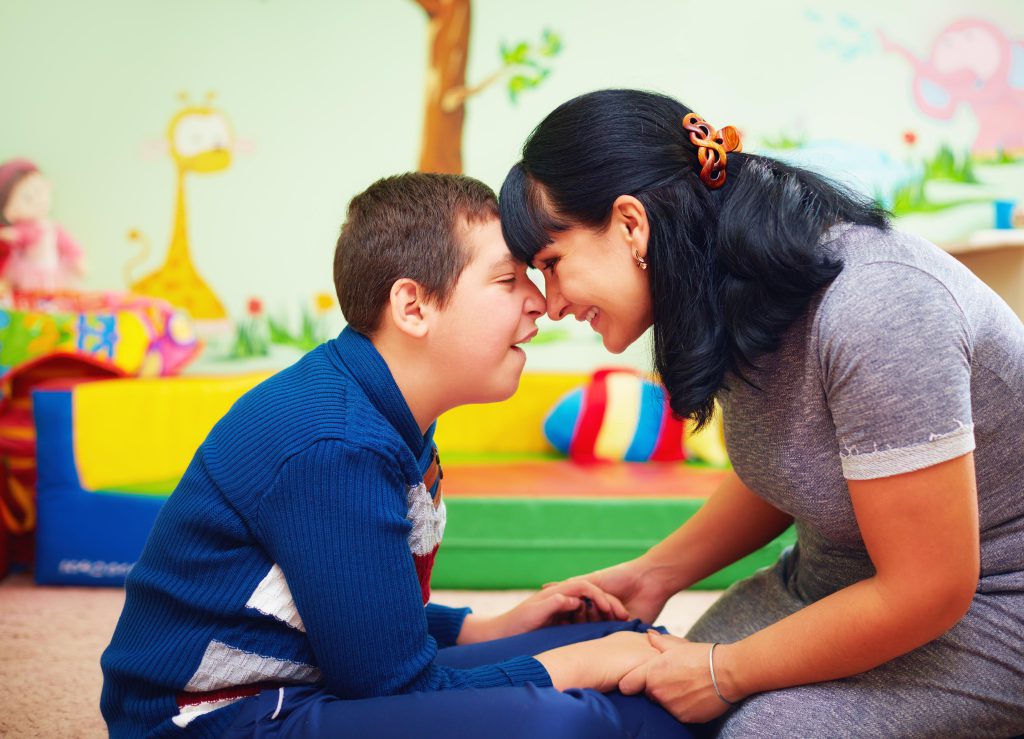
Love, care, understanding, and acceptance are essential ingredients for improving the lives of developmentally incapacitates. When these human beings feel valued and supported by their families, friends, caregivers, and society at large, they are more likely to thrive despite their challenges. Studies have shown that a nurturing environment can positively influence cognitive progress in children with intellectual disabilities.