
OVERVIEW
Cerebral palsy is a neurological disorder that affects movement, muscle coordination, and body posture. It is caused by damage to the developing brain either during pregnancy or shortly after birth. This condition has a lifelong impact on individuals, affecting their ability to perform daily activities independently.
STATS AND CAUSES
Cerebral palsy is characterized by impaired muscle control due to abnormal brain development or damage. According to the Centers for Disease Control and Prevention (CDC), it affects about 1 in every 323 children in the United States alone (“Data & Statistics for Cerebral Palsy”). The causes of cerebral palsy vary but can include factors such as infections during pregnancy, lack of oxygen to the brain during childbirth, premature birth, or genetic mutations.
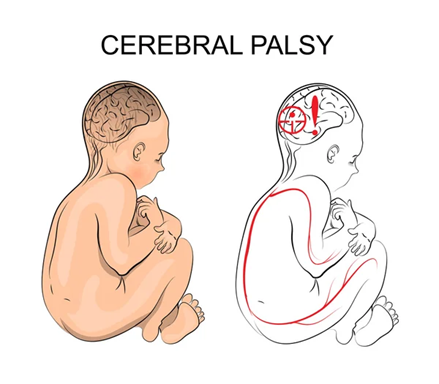
There are different types and severity levels of cerebral palsy depending on which part(s) of the brain are affected. Spastic cerebral palsy is the most common type; it leads to stiff muscles and difficulties with movement. Other types include dyskinetic cerebral palsy (causing involuntary movements), ataxic cerebral palsy (affecting balance and coordination), hypotonic cerebral palsy (weak muscles), or mixed type which combines symptoms from various subtypes.
UNDERSTANDING PEOPLE WITH CEREBRAL PALSY
Individuals with cerebral palsy go through numerous challenges across physical, cognitive, and social domains throughout their lives. Physically, they may experience difficulties in walking or controlling fine motor skills such as writing or eating independently. Cognitive challenges can manifest as learning disabilities or delays in academic achievement compared to their peers without this condition.
Socially, humans with cerebral palsy may affront isolation or discrimination due to physical incapacities. Limited mobility can hinder their ability to participate in recreational activities or interact with others freely. Additionally, they may encounter barriers to education and employment opportunities, leading to socio-economic inequalities.
CEREBRAL PALSY IN YOUTH AND THE CHALLENGES THEY FACE
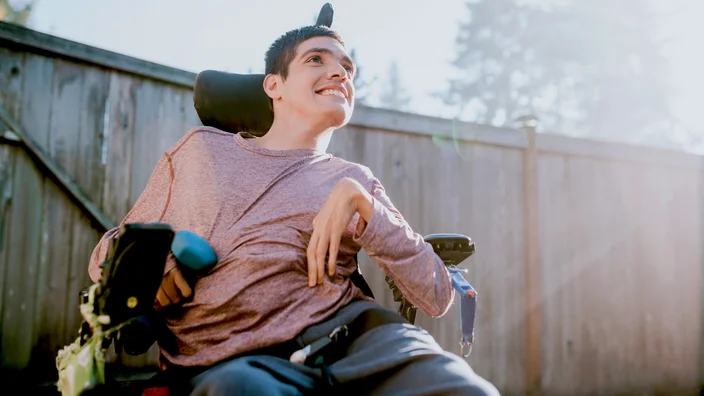
Cerebral palsy affects young people during crucial stages of development – childhood through adolescence – which can impact their overall well-being and future prospects. Youth affected by this often experience problems in communal integration, learning, and bodily limitations.
Youngsters with cerebral palsy encounter various difficulties that arise not only from their condition but also from societal attitudes, discrimination, and limited accessibility. Discernment can lead to exclusion or marginalization, preventing these folks from fully participating in society.
Moreover, inaccessible infrastructure restricts mobility for persons with disabilities, making it hard for them to access educational institutions or employment opportunities. Societal attitudes that stigmatize disability hinder inclusivity efforts and perpetuate barriers faced by young adults with cerebral palsy.
SERVE THEM AS DIFFERENTLY ABLED AND NOT DISABLED
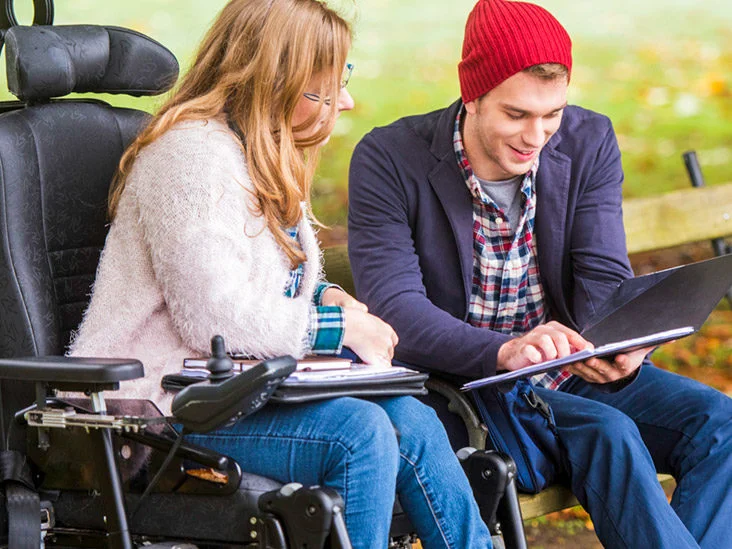
Affection, nurture, and respectability play a vital role in supporting beings with cerebral palsy as they contribute significantly to their overall well-being and quality of life. Love fosters an environment where individuals feel accepted unconditionally while care ensures their physical needs are met effectively.
Dignity encompasses treating people with respect irrespective of their abilities or disabilities – valuing them for who they are rather than focusing solely on what they can do physically. By embracing love, concern, and self-worth, an atmosphere can be created where persons feel empowered despite the hurdles posed by cerebral palsy.
PROMOTING INCLUSION AND SUPPORTIVE ENVIRONMENTS
Creating inclusive surroundings is essential for supporting individuals with cerebral palsy in schooling and society at large. Schools should prioritize accessibility by providing ramps, elevators, or alternative formats for scholastic materials to ensure equal participation.
Initiatives like awareness campaigns can help challenge societal attitudes towards debility and promote inclusivity. Comprehensive educational programs that integrate students with disabilities into mainstream classrooms encourage communal integration and provide opportunities for learning from a diverse range of peers.

To Wrap Up
To sum up, cerebral palsy has a significant impact on education as it affects movement coordination, posture, and other motor functions. Empathy towards people with intellectual disorders is crucial for creating positive ecosystems where they can thrive academically and socially.
Cerebral palsy youth confront hindrances in social integration, education, and physical limitations. Inclusivity efforts can address these obstacles. Nursing them with compassion and warmth enhances self-esteem, independence, and quality of life, ensuring they receive support to reach their full potential.